|
| Speaking as the Chief Guest at the inauguration of an art exhibition. 16 May 2011 |
Captivated by the magic of traditional paintings, old sepia photographs of the city of Mysore and beautiful artefacts, RG became a collector while still a teenager.

RG grew up looking at the classical Mysore Style of Painting that hung in his ancestral home. His interest in them kindled when he saw more of them at Jaganmohan Art Gallery. This led him to embark on a mission to collect these paintings. He rummaged the antiquities stores in Mysore and bought aged, old classic paintings. In fact it was while he was still in college that he bought his very first Mysore School of painting from a photo-frame shop in the city with his pocket money. From that day onwards, he built an enviable collection of Mysore Style Paintings. Further, RG commissions artists to create masterpieces and thus nurturing the style.
It was this passion for art that led RG to take on the role of Honorary Secretary of the Ramsons Kala Pratishtana, a trust established by his father. Under the aegis of Ramsons Kala Pratishtana Trust, RG was instrumental in reviving the ancient doll display tradition of Karnataka as well as traditional board games of India by hosting exhibitions that have today become iconic annual ‘must-see’ programmes on everyone’s itinerary, be it the tourist or the Mysorean alike.
He, along with Raghu Dharmendra and Dr. Dileep K.C.R. Gowda, has conducted extensive research in the field of traditional board games of since the year 2000. As part of Kreedaa Kaushalya, RG and his team mates have taught how to play traditional Indian board games to more than a thousand adults and children at various camps and workshops as resource persons since 2007.
 |
| L-R: Dr. C.R. Dileep Kumar Gowda, Raghu Dharmendra, Smt. Prema Simha and RG Singh at Kalale |
RG has organised following special thematic exhibitions...
RG conducted following activities under the aegis of RKP.

Mukta Venkatesh, M.J. Shuddodhana, G.L.N. Simha, B.K.S. Varma, Vijay Hagargundgi, N. Kamalesh, Raghupati Bhat, M.S. Nirmal Kumar, G.Y. Hublikar, Chandranath Acharya, B.P. Ramakrishna, J.M.S. Mani, Ramesh Rao, Bhaskar Rao, K.S. Shreehari, Prabha Mallesh, Manish Verma, K.V. Kale, Srinivas Reddy, Kamal Ahmed, Sridhar Rao, M. Girija, Giridhar Goud, Ramesh Selluturai, F.V. Chikmath, Manjunath Mane, B.B. Raghavendra, Purushotham Adve, G. Subramanian, Jagadish Kamble, M.V. Kambar, Sunil Mathad, Balu Sadalge, Sindhu Kamath, M.R. Pavanje, R.G. Hegde, Ganesh Somayaji, S.S. Shimpi, etc.
RG has also published, through Ramsons Kala Pratishtana, several monographs like, ‘Mysore Masters,’ ‘Puttaraju works Ravi Varma’ apart from a pictorial journal, 'Mysore Palace – Celebrating a century' published in 2012 and 'Indian Traditional Boardgames A Guide to the Art of Play'.
 RG has given talks and lectures on art and heritage at events like the International Art Symposium organised by Sri Guru Vidyapeetha of Kalburgi (Gulbarga) and at Rotary Clubs, the Suttur Mutt (Suttur), INTACH (at New Delhi and Bengaluru), IGNCA (Bengaluru), NGMA (Bengaluru), Central Lalitkala Akademi (New Delhi), 19th International Board Game Studies Colloquium (Nuremberg, Germany), VAG Forum, Karnataka Lalitakala Academy, Karnataka Chitrakala Parishath Vermilion House (Bengaluru) and Amethyst (Chennai).
His skills as an orator were honed in school and college (during his graduate days) when he was actively involved as a member of the Rotaract Club and he has also held the post of District Rotaract Representative of Rotary International District 3180 (1994-1995). It was also during his school and college days that he became a philatelist and his collection of stamps on Rotary International is enviable.
RG has given several multi-media presentations on following subjects:
- Durge Durgatihaari - an exhibition of Mysore paintings depicting Durga in her avatars - 1999
- Exhibition of Mysore Paintings of artist K.S. Shreehari - 2001
- Kala Sampark - an exhibition of crafts of Karnataka - 2002
- Veda Kala - an exhibition of paintings of G.L.N. Simha interpreting Vedic Suktas - 2002
- Exhibition of Mysore Paintings of artist B.P. Ramakrishna - 2002
- Ganapaa - an exhibition of Ganesha images - 2005
- Mysore Masters - an exhibition of paintings of bygone artists (1830-2009) of Mysore - 2009. Works of distinguished artists who adorned the royal court of Mysore, worked in Mysore and accomplished artists who had a Mysore connection were included in this mammoth show
- Divya Varna - an exhibition of paintings of G.L.N. Simha - 2011
- Puttaraju Works Ravi Varma - an exhibition of inlay marquetry panels - 2011. A year-long project in which 37 select paintings of master artist Raja Ravi Varma were rendered in the art of inlay-marquetry unique to Mysore by master artist R. Puttaraju which culminated in a successful exhibition
- Baaro Krishnayya - an exhibition of Krishna in art - 2012
- Kalaa Dhaaraa - a 78-day expo of contemporary/traditional art of about 90 artists of Karnataka - Feb to Apr 2014
- Bombe Mane - a unique annual exhibition of dolls highlighting the doll tradition of India - 2005 to current year
- Kreedaa Kaushalya - annual exhibition of handcrafted board games and commissioned paintings on games - 2007 to current year
- Deepa Soundarya - annual exhibition of lamps in various media from across India - 2008 to current year
RG conducted following activities under the aegis of RKP.
- 1995 to 1999 - National level Shilpashree award presentation
- 1995 to 2006 - Rotary Ramsons Kala Pratishtana award presentation
- 2007 to 2017 - Ramsons Kala Pratishtana award presentation in association with Karnataka Shilpakala Academy
- 2005 - a twelve day traditional bronze casting workshop in association with Karnataka Shilpakala Academy
- 2012 - Varnamrita - a seven day painting camp for ten artists in association with Artists Forum of Udupi
- 2006 to 2018 - A six-page calendar of commissioned artworks with a special theme highlighting the cultural aspects of Karnataka is being released every year which has gained immense popularity

Mukta Venkatesh, M.J. Shuddodhana, G.L.N. Simha, B.K.S. Varma, Vijay Hagargundgi, N. Kamalesh, Raghupati Bhat, M.S. Nirmal Kumar, G.Y. Hublikar, Chandranath Acharya, B.P. Ramakrishna, J.M.S. Mani, Ramesh Rao, Bhaskar Rao, K.S. Shreehari, Prabha Mallesh, Manish Verma, K.V. Kale, Srinivas Reddy, Kamal Ahmed, Sridhar Rao, M. Girija, Giridhar Goud, Ramesh Selluturai, F.V. Chikmath, Manjunath Mane, B.B. Raghavendra, Purushotham Adve, G. Subramanian, Jagadish Kamble, M.V. Kambar, Sunil Mathad, Balu Sadalge, Sindhu Kamath, M.R. Pavanje, R.G. Hegde, Ganesh Somayaji, S.S. Shimpi, etc.
RG has also published, through Ramsons Kala Pratishtana, several monographs like, ‘Mysore Masters,’ ‘Puttaraju works Ravi Varma’ apart from a pictorial journal, 'Mysore Palace – Celebrating a century' published in 2012 and 'Indian Traditional Boardgames A Guide to the Art of Play'.
 RG has given talks and lectures on art and heritage at events like the International Art Symposium organised by Sri Guru Vidyapeetha of Kalburgi (Gulbarga) and at Rotary Clubs, the Suttur Mutt (Suttur), INTACH (at New Delhi and Bengaluru), IGNCA (Bengaluru), NGMA (Bengaluru), Central Lalitkala Akademi (New Delhi), 19th International Board Game Studies Colloquium (Nuremberg, Germany), VAG Forum, Karnataka Lalitakala Academy, Karnataka Chitrakala Parishath Vermilion House (Bengaluru) and Amethyst (Chennai).
His skills as an orator were honed in school and college (during his graduate days) when he was actively involved as a member of the Rotaract Club and he has also held the post of District Rotaract Representative of Rotary International District 3180 (1994-1995). It was also during his school and college days that he became a philatelist and his collection of stamps on Rotary International is enviable.
RG has given several multi-media presentations on following subjects:
- Rotary on Stamps
- Pearls
- Kreedaa Kaushalya - Indian Traditional Board Games
- Vijay Hagargundgi - Surapura Miniaturist
- Mysore Palace - Celebrating a Century
- Mantra Mukura - Art of GLN Simha
- Traditional Dolls of Karnataka
- Mysuru Paintings in Kuldip Singh Collection
- Traditional Mysuru Style Paintings
- Art and Life of F.M. Soofi

RG's mother collected miniature dolls and toys from across the globe. RG used a part of her collection and along with the special display dioramas of Bombe Mane exhibitions, established the first doll exhibition south of Vindhyas which commemorates the memory of his mother - Kaladevi Doll Museum.

RG prefers to relax with a book. His choice veers towards non-fiction and authors like Khushwant Singh, Mark Tully, R.K. Narayan, S.K. Ramachandra Rao and William Dalrymple.
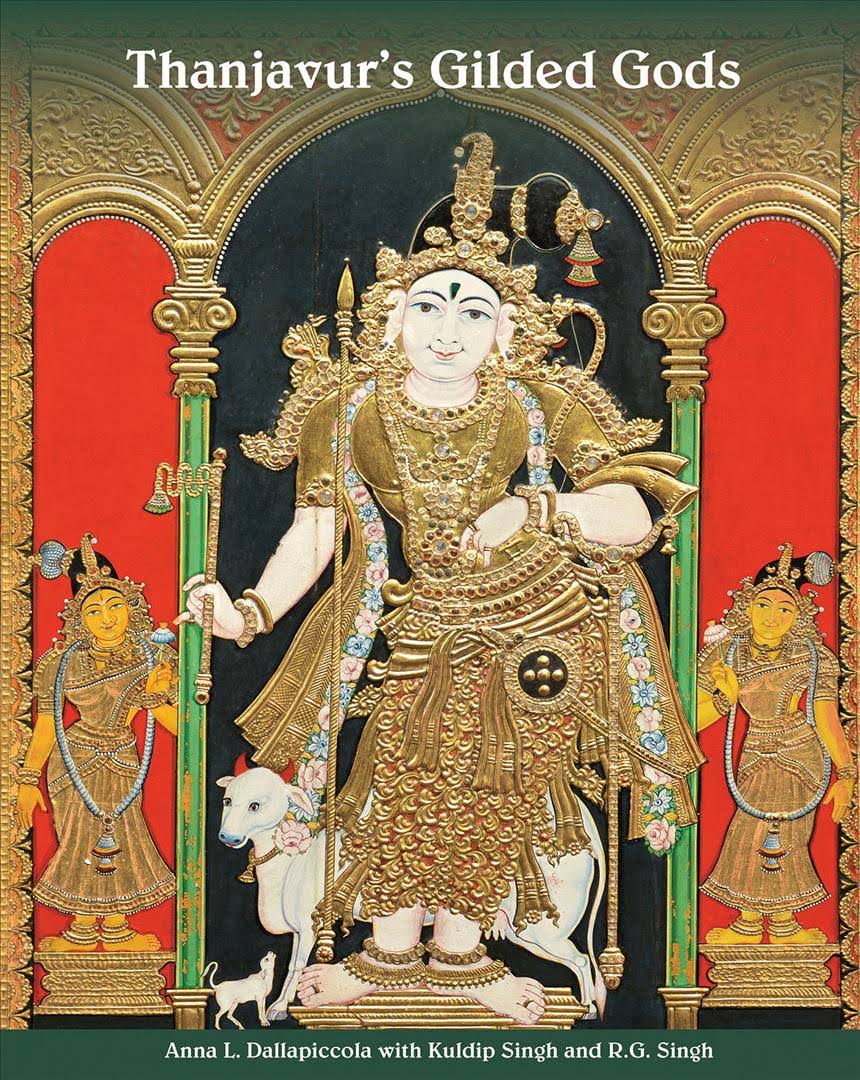
He, has co-authored two books. First is 'Indian Traditional Boardgames - A Guide to the Art of Play' which was released at the 19th International Board Game Studies Colloquium at Nuremberg, Germany in April 2016 and the second was 'Thanjavurs Gilded Gods' (Dr. Anna Dallapiccola and Sri Kuldip Singh were the other co-authors) which was published by Marg Publications in the year 2018.
RG attributes his foray in the world of art, as a connoisseur, to the atmosphere of art created by his father D. Ram Singh and mentoring by his late uncle M.B. Singh.
He, has co-authored two books. First is 'Indian Traditional Boardgames - A Guide to the Art of Play' which was released at the 19th International Board Game Studies Colloquium at Nuremberg, Germany in April 2016 and the second was 'Thanjavurs Gilded Gods' (Dr. Anna Dallapiccola and Sri Kuldip Singh were the other co-authors) which was published by Marg Publications in the year 2018.
RG attributes his foray in the world of art, as a connoisseur, to the atmosphere of art created by his father D. Ram Singh and mentoring by his late uncle M.B. Singh.